

Offering telehealth services across the United States and in-person services in multiple NY, NJ & PA locations.

Tic Disorders

What are Tic Disorders?

Tic disorders are neurological conditions characterized by sudden, rapid, recurrent, and nonrhythmic motor movements or vocalizations, collectively known as “tics.”

Symptoms of Tic Disorders

Motor and vocal tics can vary widely, but examples of common tics include:

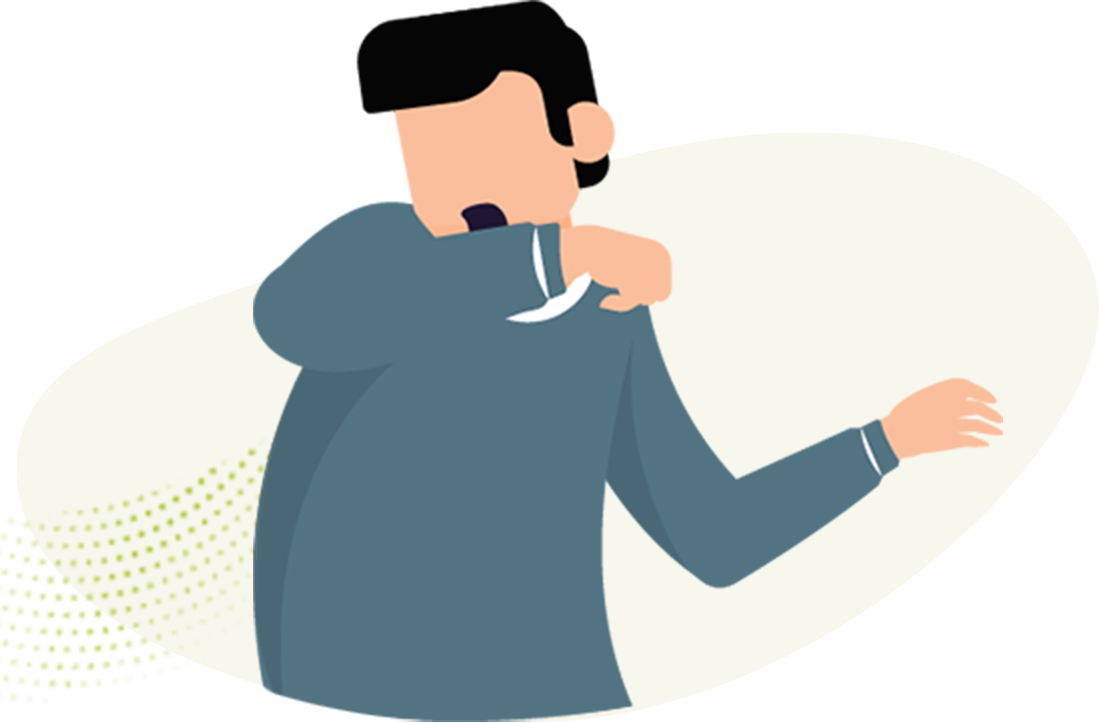
  • Motor Tics: Eye blinking, head jerking, shoulder shrugging, or facial grimacing.
  • Vocal Tics: Throat clearing, grunting, sniffing, or repeating words or phrases.

Tics often intensify during times of stress, excitement, or fatigue and may decrease during focused activities.
Evidence-Based Treatment for Tic Disorders

At The Center for Emotional Health, we specialize in the evidence-based treatment of tic disorders, including Tourette’s disorder, using Comprehensive Behavioral Intervention for Tics (CBIT). CBIT is considered the first- line treatment for tic disorders and Tourette’s Disorder by the American Academy of Neurology.

What Is CBIT?

CBIT is a structured, once-weekly therapy proven to be effective in reducing tics. The process includes:

  • Functional Behavior Analysis: Identifying behavior patterns, triggers, and environmental factors that influence tics.
  • Awareness Training: Helping individuals recognize tics and the urges preceding them.
  • Competing Response Training: Teaching alternative behaviors to perform when an urge to tic is noticed.
  • Lifestyle Modifications: Making adjustments to daily routines and environments to reduce tic frequency and intensity.

CBIT is designed to empower individuals by providing practical tools to manage their tics and improve daily functioning.

Types of Tic Disorders

Tic disorders are categorized into four main types, below to “based on presentation:

1. Tourette’s Disorder:

  • Involves multiple motor tics and at least one vocal tic.
  • Symptoms persist for more than one year, with onset before age 18.
  • Tourette’s disorder is the most complex of the tic disorders and often co-occurs with other conditions such as ADHD or OCD and other symptoms, which is why it is often referred to as Tourette Syndrome.

2. Persistent (Chronic) Motor or Vocal Tic Disorder:

  • Features one or more motor tics or vocal tics, but not both.
  • Symptoms last more than one year, with onset before age 18.

3. Provisional Tic Disorder:

  • Includes single or multiple motor and/or vocal tics.
  • Symptoms are present for less than one year, with onset before age 18.

4. Other Specified and Unspecified Tic Disorders: 

  • Encompass tic conditions that cause significant distress or impairment but do not fully meet the diagnostic criteria of the disorders above.

Why Seek Psychological Treatment for Tic Disorders?

While tics are not inherently harmful, they can cause distress, social challenges, and functional impairments, particularly when they are frequent or severe. Early intervention can significantly improve quality of life by equipping individuals with the skills needed to manage their tics effectively.

Request Your Appointment

Take the first step toward better mental health. Whether in person or through telehealth, The Center for Emotional Health is here to support you every step of the way. Contact us today with any questions and to schedule your appointment.