
Offering telehealth services across the United States and in-person services in multiple NY, NJ & PA locations.

Neurodevelopmental Disorders

What are Neurodevelopmental Disorders?

Neurodevelopmental disorders are a group of conditions that begin in early development and are characterized by differences in brain function that affect behavior, learning, communication, and/or social interaction. These disorders often persist throughout life and may vary widely in severity and presentation. At The Center for Emotional Health, we provide comprehensive, individualized care rooted in evidence-based practices to support children, adolescents, and adults navigating neurodevelopmental challenges.


Types of Neurodevelopmental Disorders

Attention-Deficit/Hyperactivity Disorder (ADHD)

ADHD affects attention, impulse control, and activity levels. It may present as predominantly inattentive, predominantly hyperactive-impulsive, or combined type. Individuals with ADHD may struggle with organization, time management, or task completion.
Learn More

Autism Spectrum Disorder (ASD)

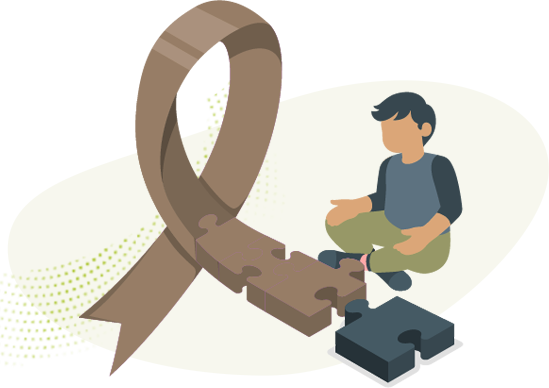
ASD is characterized by differences in social communication and interaction, as well as restricted, repetitive behaviors or interests. The spectrum includes a wide range of presentations, from highly verbal individuals to those with limited speech or significant support needs.
Learn More

Disruptive Behavior Disorders

Disruptive behavior disorders (DBDs) encompass a group of mental health conditions characterized by difficulties in emotional and behavioral self-control and include oppositional defiant disorder and intermittent explosive disorder.
Learn More

Learning Disorders

These disorders impact the ability to acquire and use academic skills, such as reading (dyslexia), writing (dysgraphia), or mathematics (dyscalculia). Individuals with learning disorders may require specific instructional strategies to support their academic progress and self-confidence.
Learn More

Tic Disorders

Tic disorders are neurological conditions characterized by sudden, rapid, recurrent, and nonrhythmic motor movements or vocalizations, collectively known as “tics.”
Learn More

Tourette’s Disorder

Tourette’s disorder, or often referred to as Tourette Syndrome (TS), is the most recognized among the four tic disorders, characterized by sudden, rapid, recurrent, and nonrhythmic motor movements or vocalizations, collectively known as “tics.” In addition to tics, many individuals with Tourette’s disorder also experience co-occurring conditions such as attention-deficit/hyperactivity disorder (ADHD) and obsessive-compulsive disorder (OCD), which may cause greater functional impairment than the tics themselves.
Learn More

Evidence-Based Treatment for Neurodevelopmental Disorders

At The Center for Emotional Health, we use evidence-based approaches to support individuals and families affected by neurodevelopmental disorders. Some of our services include:

  • Psychoeducational and Neuropsychological Assessment:
    Provides clarity in diagnosis, identifies strengths and challenges, and guides individualized recommendations for school, home, or work.
  • Cognitive Behavioral Therapy (CBT):
    Adapted for neurodiverse individuals to support emotion regulation, anxiety, and executive functioning skills.
  • Organizational Skills Training:
    Assists with planning, organization, and time management strategies, especially for individuals with ADHD or learning disorders.
  • Parent-Based Therapies:
    Parent Management Training (PMT) and Parent-Child Interaction Therapy (PCIT) are evidence-based interventions that equip parents with effective behavior management strategies and strengthen the parent-child relationship through structured, skill-building interactions.
  • Social Skills Training:
    Supports the development of age-appropriate interpersonal skills through individual or group sessions.
  • Comprehensive Behavioral Intervention for Tics (CBIT)
    Evidence-based treatment that helps individuals reduce tic severity by increasing awareness of tics and teaching competing responses and strategies to manage triggers.

Request Your Appointment

Take the first step toward better mental health. Whether in person or through telehealth, The Center for Emotional Health is here to support you every step of the way. Contact us today with any questions and to schedule your appointment.