
Offering telehealth services across the United States and in-person services in multiple NY, NJ & PA locations.

Obsessive Compulsive and Related Disorders

What are Obsessive-Compulsive and Related Disorders (OCRDs)?

Obsessive-Compulsive and Related Disorders (OCRDs) are a group of conditions that share features such as intrusive thoughts, repetitive behaviors, and difficulty tolerating distress. While the specific symptoms vary, these disorders can cause significant emotional and functional impairment. At The Center for Emotional Health, we specialize in compassionate, evidence-based treatment for individuals impacted by these often misunderstood conditions.

Types of Obsessive-Compulsive and Related Disorders

Obsessive-Compulsive Disorder (OCD)

OCD is characterized by intrusive, unwanted thoughts (obsessions) and repetitive behaviors or mental acts (compulsions) performed to reduce distress or prevent feared outcomes. Common themes include fears of contamination, harm, perfectionism, or moral wrongdoing. Compulsions may include excessive washing, checking, or seeking reassurance.
Learn More

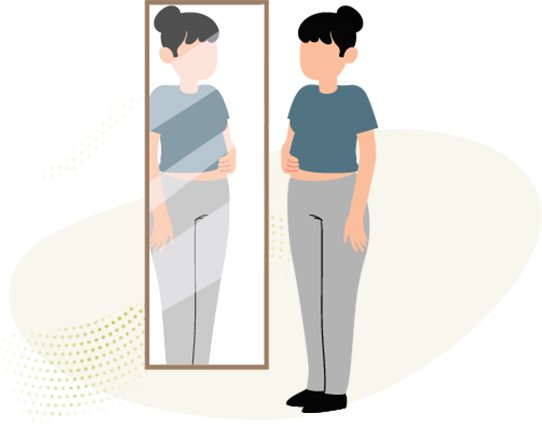
Body Dysmorphic Disorder (BDD)

BDD involves a preoccupation with perceived flaws or defects in physical appearance that are not noticeable to others. This often leads to repetitive behaviors such as mirror checking, camouflaging, or excessive grooming, and may significantly impact social and occupational functioning.
Learn More

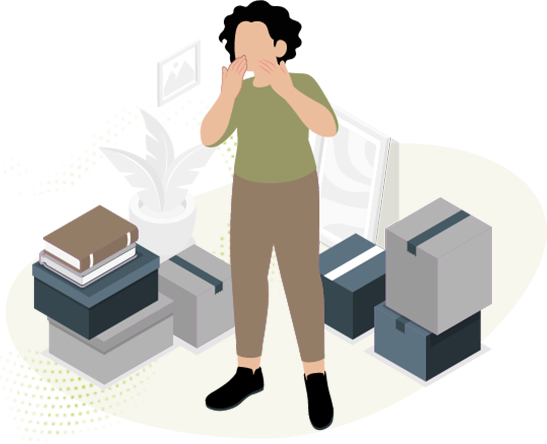
Hoarding Disorder

Hoarding disorder is marked by persistent difficulty discarding or parting with possessions, regardless of their actual value. This leads to cluttered living spaces, distress, and interference with daily life. Hoarding is often driven by emotional attachment to items or a fear of needing them in the future.
Learn More

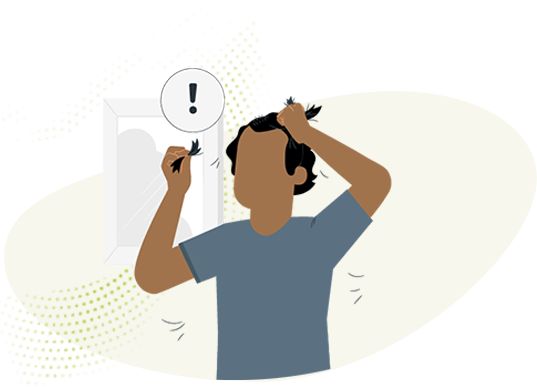
Trichotillomania (Hair-Pulling Disorder)

This condition involves recurrent pulling out of one’s hair, leading to hair loss and significant emotional distress. Despite a strong desire to stop, individuals often feel unable to control the behavior, which may impact their physical health, self-esteem, and quality of life.
Learn More

Excoriation (Skin-Picking) Disorder

Also known as dermatillomania, this disorder involves recurrent picking at the skin, often resulting in tissue damage and emotional distress. Like trichotillomania, it can be driven by urges, stress, or a need to fix perceived imperfections in the skin.
Learn More

Other Body-Focused Repetitive Behaviors (BFRBs)

Body-focused repetitive behaviors (BFRBs) encompass a group of self-grooming behaviors that result in damage to the body, despite repeated efforts to reduce or stop the behaviors. While trichotillomania (hair-pulling disorder) and excoriation disorder (skin-picking disorder) are widely recognized, there are numerous other BFRBs that individuals may experience, including nail biting, lip biting, and cheek biting.
Learn More

PANDAS / PANS

Pediatric autoimmune neuropsychiatric disorder associated with streptococcus (PANDAS) and pediatric acute-onset neuropsychiatric syndrome (PANS) are conditions characterized by the sudden onset of neuropsychiatric symptoms during childhood. These syndromes result from an immune system overreaction to infections or other triggers, leading to inflammation that affects the brain and causes rapid behavioral and emotional changes.
Learn More

Evidence-Based Treatment for OCRDs

At The Center for Emotional Health, we offer specialized, research-supported care tailored to each person’s needs. Our psychological treatment approaches include, among others:

  • Exposure and Response Prevention (ERP):
    A gold-standard form of Cognitive Behavioral Therapy (CBT) for OCD and related conditions, ERP involves gradually facing feared thoughts or situations without engaging in compulsions or avoidance behaviors.
  • Habit Reversal Training (HRT):
    An evidence-based behavioral intervention used to treat body-focused repetitive behaviors like trichotillomania and skin-picking by increasing awareness and introducing competing responses.
  • Cognitive Behavioral Therapy (CBT):
    Helps individuals challenge distorted thinking patterns and develop healthier responses to intrusive thoughts and distressing emotions.
  • Acceptance and Commitment Therapy (ACT):
     Encourages acceptance of internal experiences while promoting behavior change guided by personal values.

Request Your Appointment

Take the first step toward better mental health. Whether in person or through telehealth, The Center for Emotional Health is here to support you every step of the way. Contact us today with any questions and to schedule your appointment.